Equip your classroom with hands-on science that aligns with the Australian Curriculum and ignites curiosity.
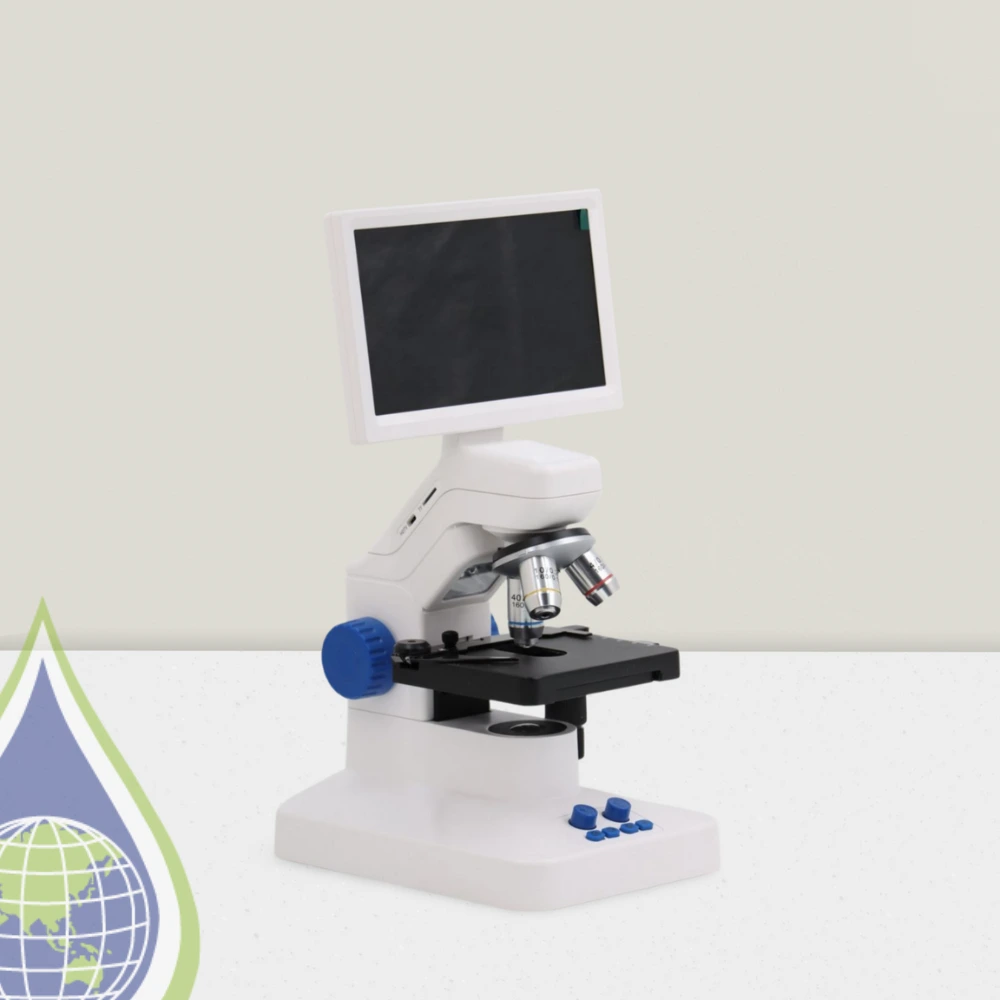
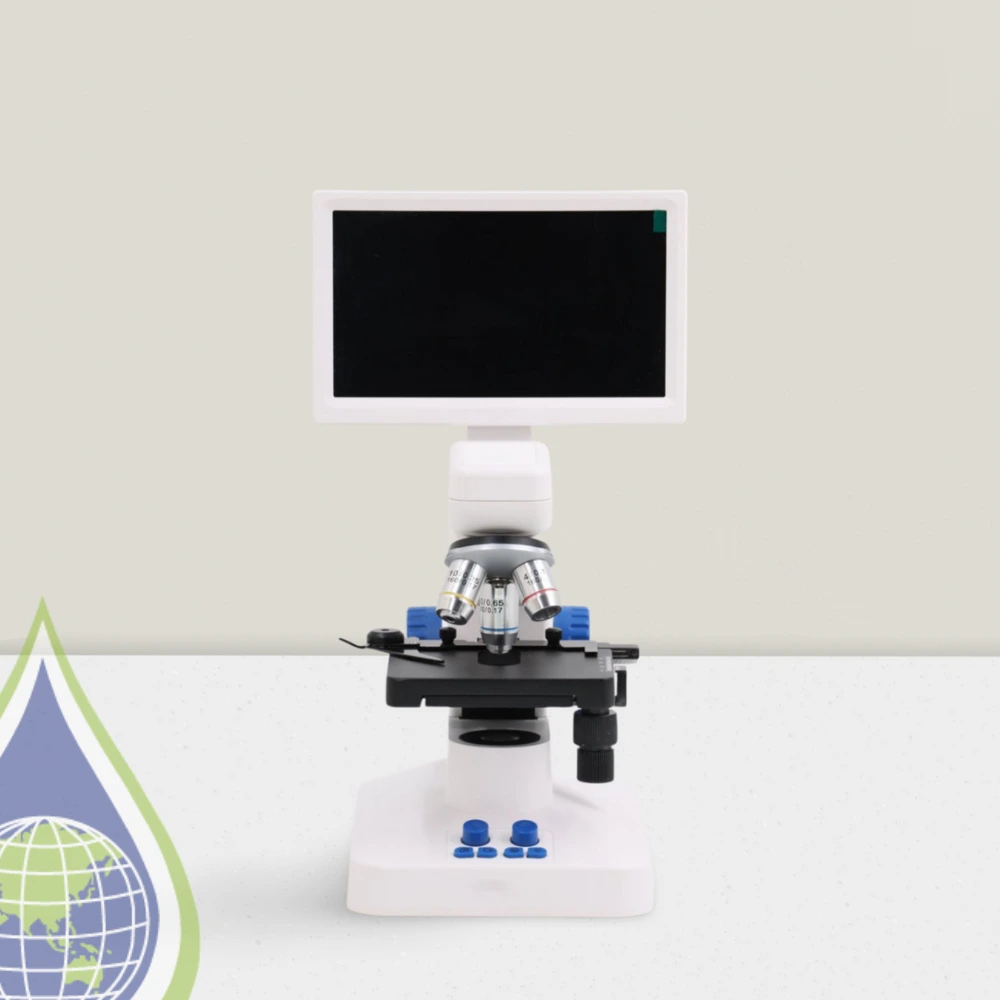
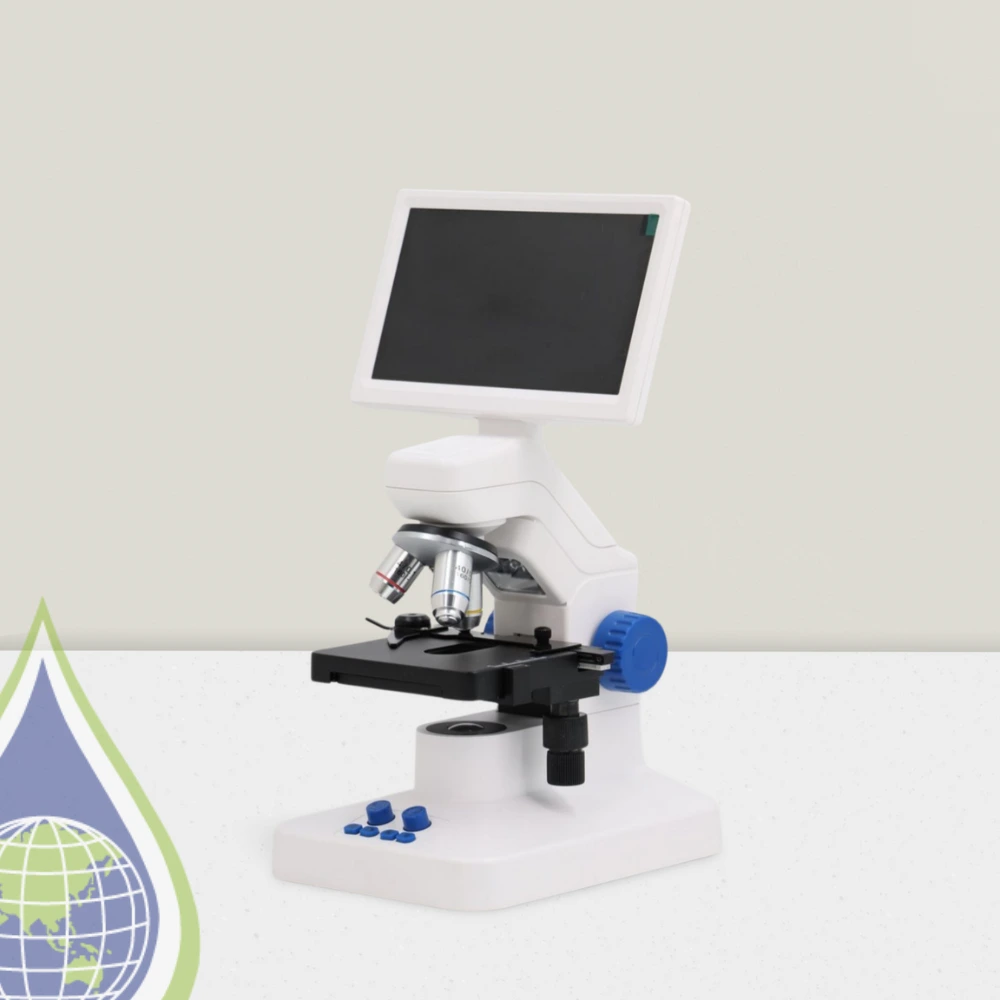
Exploring the microscopic world is one of the most exciting ways to engage students in science classes. The SMART Student Biological Microscope is designed to support the Australian Curriculum: Advanced Microscope experiments via Science, helping students investigate biological structures and develop hands-on scientific skills.
With the included prepared slide kit and its digital display features, students can conduct meaningful experiments that align with key curriculum outcomes such as cell structure, ecosystems, classification, and microscopic processes. Here are five advanced classroom-ready experiments to get started.
1. Tracking the Effects of Osmosis & Diffusion (Potato / Egg Cell Osmosis) Advanced Microscope experiments
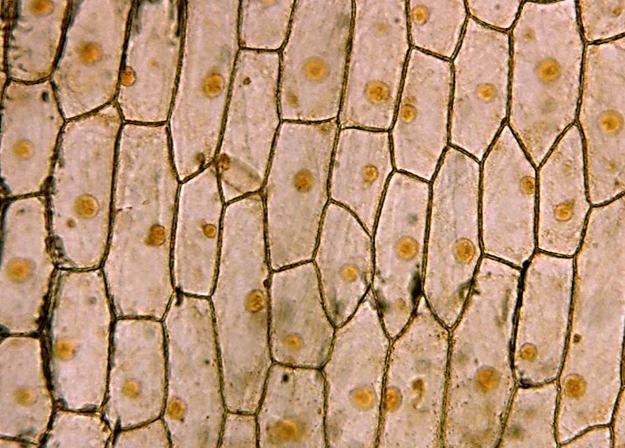
Number 1 on the Advanced Microscope experiments list: Students prepare a thin slice of potato or examine an egg membrane sample placed in fresh vs salt water and observe how water movement causes cells to swell or shrink. Under the microscope, they can visually compare the changes in cell size, shape and turgor.
With the SMART microscope’s large LED screen and high magnification, it’s easier for students to see subtle changes in cell structure and fluid movement in real time. Use live video mode (if your model supports digital output) to broadcast observations to the whole class for discussion.
Bonus: measure and record the cell change over time, graphing results to link to inquiry skills (ACSIS140).
2. Live-Cell Observation of Microscopic Protists (Pond Water Slide)
Advanced Microscope experimentsCurriculum Link: Science Inquiry Skills – Planning and Conducting (ACSIS140)
Number 2 on the Advanced Microscope experiments list: Collect a drop of pond water and view live protists (e.g., amoebae, paramecia). Students observe movement, feeding behaviour, and responses to simple stimuli (light, gentle agitation). They can sketch what they see, note the differences in morphology and motion, then classify the organisms based on observable traits.
The SMART microscope’s robust design and LED illumination make it ideal for older students investigating live samples. The built-in camera (if present) lets students capture video or stills to review later or present their findings.
3. Exploring Mitosis & Meiosis (Onion Root Tip or Lily Anther Slide)
Advanced Microscope experimentsCurriculum Link: Science Understanding – Nature and Development of Science (ACSHE119)
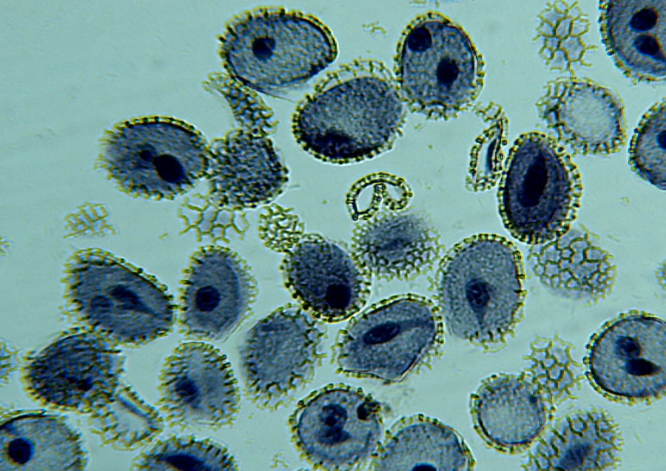
Number 3 on the Advanced Microscope experiments list: Deliver prepared slides showing stages of cell division (mitosis) such as onion root tip cells, or meiosis from pollen sacs (e.g., lily). Students identify prophase, metaphase, anaphase, telophase, and discuss how cell division supports growth, reproduction and variation.
Using the SMART microscope’s optics, students can clearly visualise chromosome alignment, spindle formation and separation. This clarity enables deeper class discussion around how these microscopic events underpin larger biological concepts.
4. Detecting Microplastics or Particulate Matter in Water Samples Advanced Microscope experiments
Number 4 on the Advanced Microscope experiments list: In an increasingly environmental-aware classroom, students examine water samples from local ponds, rain-gutters or filtered stormwater. Under the microscope they search for microplastics, sediments or particulates and assess how human activity influences water quality.
The SMART microscope’s high-resolution optics and strong lighting help students spot tiny particles. You can include a mini-investigation: compare “before and after” filtering water, quantify number of particles, discuss implications for ecosystems and human health.
5. Investigating Plant Adaptations (Leaf Cross-Sections & Stomata Count) Advanced Microscope experiments
Curriculum Link: Science Understanding – Biological Sciences (ACSSU112: Living things have structural features and adaptations)
Number 5 on the Advanced Microscope experiments list: Students take cross-sections of leaves (e.g., succulent vs non-succulent plants) or view epidermal peels to count and compare stomata density under different conditions (shade vs sun, indoor vs outdoor). They explore how structural adaptations relate to environment.
With the SMART microscope, leaf cross-sections reveal cell layers (palisade, spongy mesophyll, epidermis) and students can document stomata and guard cells. This builds practical skills and connects microscopic structure to ecological function.
Why the SMART Student Biological Microscope is Ideal for These Experiments
Advanced Microscope experimentsThe SMART Student Biological Microscope is purpose-built for classrooms and perfectly suited for the experiments above. Designed to withstand daily student use while delivering high-quality results, it offers:
- High-quality optics with magnification up to 1000x for clear, detailed viewing of cells, live organisms and fine structures.
- LED illumination that ensures consistent lighting, making delicate samples easier to observe.
- Robust, classroom-ready design that can withstand repeated use and still deliver reliable results.
- Digital output options (USB/HDMI/WiFi) enabling whole-class viewing, recording and demonstration.
- Prepared slide kit included, directly supporting curriculum-based experiments without needing to source extra materials.
When paired with the Australian Curriculum, this microscope transforms theory into hands-on learning — helping students make real-world connections between what they see under the lens and larger scientific concepts. For schools or educators looking to invest in reliable Australian-market microscopes, it’s a standout choice.
Ready to Equip Your Classroom?
Click here to view the SMART Student Biological Microscope and see how it can elevate your science program.
Have questions? Contact us at sales@asisscientific.com.au or call (08) 8340 8444 — we’re here to support your STEM teaching journey.
Frequently Asked questions (FAQS) SMART Student Biological Microscope
1. What is the SMART Student Biological Microscope used for?
The SMART Student Biological Microscope is designed for classroom use, helping students explore biological concepts such as cell structure, mitosis, and ecosystems. It’s ideal for advanced experiments that align with the Australian Curriculum. You can purchase the SMART Microscope directly from ASIS Scientific, Australia’s trusted supplier of premium educational laboratory equipment.
2. Why should schools buy the SMART Student Biological Microscope from ASIS Scientific?
ASIS Scientific is a leading Australian distributor specialising in science education equipment. Schools benefit from fast local support, reliable supply, and access to exclusive bundles such as prepared slide kits and accessories designed for the SMART Microscope range. Purchasing through ASIS ensures genuine products backed by expert after-sales service.
3. Does the SMART Student Biological Microscope come with prepared slides?
Yes, the SMART Student Biological Microscope includes a set of prepared slides, allowing students to conduct curriculum-aligned experiments straight out of the box. Additional slide kits and consumables are also available through ASIS Scientific, making it easy for teachers to expand their practical lesson library.
4. Can the SMART Student Biological Microscope connect to a screen or computer?
Many models in the SMART series feature digital connectivity options such as USB, HDMI, or Wi-Fi output. This allows teachers to project live images for the entire class to view. ASIS Scientific can help you choose the right model with the digital output option best suited to your classroom setup.
5. How can I order or request a quote for the SMART Student Biological Microscope?
Ordering is simple — educators can contact ASIS Scientific directly via sales@asisscientific.com.au or call (08) 8340 8444. ASIS offers educational pricing, bulk order discounts, and expert advice on microscope use in Australian classroom.
Want to read more? View the articles below

5 Advanced Microscope Experiments for Students Using the SMART Student Biological Microscope
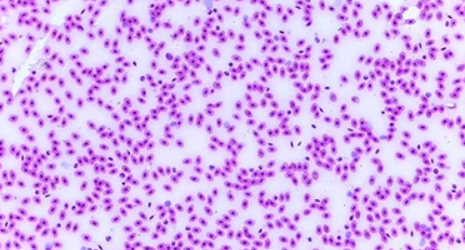
Observe frog blood cells with the SMART Student Biological Microscope. Capture red blood cells and detailed cellular structures for interactive STEM lessons in classrooms or homeschooling environments. Equip your classroom with hands-on science that aligns with the Australian Curriculum and ignites curiosity. Exploring the microscopic world is one of the most exciting ways to engage

MilliQ IQ7000 Laboratory Water Purification System Australia
MilliQ IQ7000 – Setting the Benchmark for Laboratory Water Purification in Australia When it comes to laboratory water, “pure” doesn’t always mean pure enough. Most labs start with deionised or distilled water, but even those sources can contain trace ions, organic molecules, or bacterial by-products that are invisible to the eye yet powerful enough to
🧪 School Microscopes Australia: The Ultimate Guide for Students and Classrooms
🧪 School Microscopes Australia: The Ultimate Guide for Students and Classrooms Microscopes are essential tools for science education in schools across Australia. From preschool labs to high school science classes, they allow students to explore the microscopic world — plant and animal cells, bacteria, fungi, and more. Choosing the right microscope involves more than price;
Links to the Australian Curriculum below.
Earth and Environmental Science
Published by ASIS Scientific, South Australia. © 2025.